Guest Blog by: Olive Smith, Australia.
A well-maintained garden is a significant asset to any property, offering a sanctuary for relaxation and entertainment. Even the most thoughtfully designed landscapes can benefit from periodic refreshment to maintain their aesthetic appeal and functionality.
A strategic update for your home landscaping, wherever you are located, need not entail a complete redesign; targeted enhancements yield the most impactful results. These simple tips will enable the thoughtful evolution of an outdoor space, aligning it with current needs and preferences while enhancing your property’s value.

Choosing a Garden with Watering in Mind.
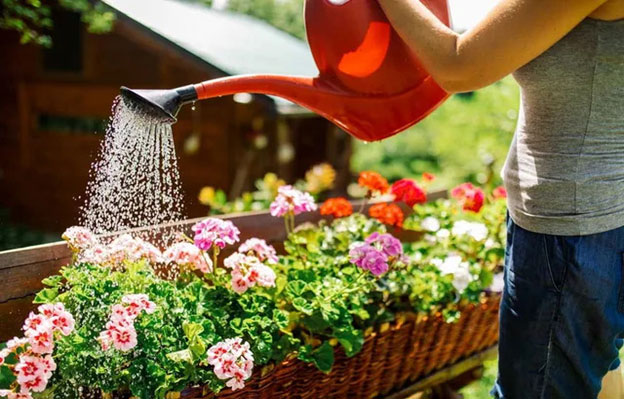
Container Gardens with Pots and Planters dry out much faster than garden beds. Often, rain doesn’t provide the containers with enough water, so you will need to ensure they have sufficient moisture, sometimes daily in hot weather.
A Rain or Bog Garden — A watering solution, when possible, is creating a depression designed to collect rainwater runoff. A bog garden imitates a wetland ecosystem. They are perfect for low-lying, poorly draining areas of a yard.
Vegetable Gardens— Most vegetables need consistent, regular watering, especially leafy greens and heavy-fruiting plants like squash, cucumbers, and tomatoes. A lack of consistent water can cause vegetable crops to fail.
Lush Perennial Borders— Many popular perennials, such as iris, canna lilies, and hibiscus, prefer moist soil and will flourish with more frequent watering.
I know my Canna Lililies love a drenching, then I can leave them for a few days and they will do well.
Redefine Bed and Lawn Edges
The clarity of landscape lines defines the entire space. Crisp, well-defined edges between lawn and garden beds convey a sense of order and meticulous care. This can be achieved with a manual half-moon edger or a powered trencher for larger properties. This simple act of maintenance frames planting areas and creates a polished, intentional appearance.
Establish a Cohesive Focal Point
A successful landscape design guides the eye. Introducing a deliberate focal point, such as a specimen tree, a sculptural element, or a striking water feature, provides a visual anchor. This strategy prevents the garden from appearing disjointed and creates a sense of purpose. The focal point should be positioned to draw attention to a key area, enhancing the overall flow of the space.
Incorporate a Diverse Textural Palette
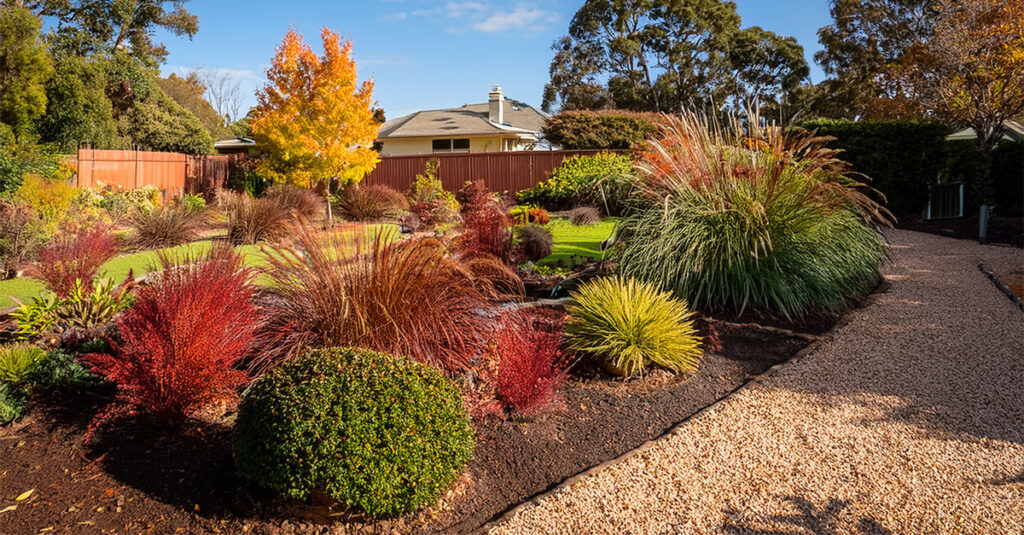
While colour is the primary consideration, texture provides year-round interest and depth. Combining fine, grassy foliage with broad-leafed plants, or soft, delicate ferns with robust, structural shrubs, creates a multi-sensory experience. This layered approach to planting is a hallmark of professional design, evident in exemplary Adelaide landscaping projects, where textural contrast is used to build complexity and harmony.
Implement Strategic Landscape Lighting
Outdoor lighting extends the functionality of a garden into the evening and dramatically alters its ambience. Low-voltage LED systems are energy-efficient and offer versatility. Consider uplighting to accentuate architectural trees, path lighting for safety and navigation, and soft overhead string lighting to create an inviting atmosphere for entertaining.
Curate a Restructured Colour Scheme
A shift in colour palette can redefine the mood of a garden. Moving from warm tones to a cool palette of blues, whites, and silvers can instill a sense of tranquility. A dedicated area with vibrant reds, oranges, and yellows creates energy and vibrancy. A more restrained and intentional colour strategy results in a more sophisticated and cohesive design.
Install Functional and Aesthetic Pathways
Pathways do more than connect points; they structure the journey through the landscape. Materials such as stepping stones, gravel, or decomposed granite can be used to create informal or formal routes. A well-placed path improves accessibility, protects lawn areas from wear, and encourages engagement with the entire garden. Consider softening the edges with low-growing ground covers like creeping thyme or dwarf mondo grass to blend the path organically into the planting beds.
Utilize Vertical Space
Maximising square footage involves thinking vertically. Trellises, obelisks, and pergolas support climbing plants, adding a living layer of height and privacy. Elevated planters and hanging baskets introduce foliage and colour at eye level, making compact spaces feel lush and fully utilised. This approach not only enhances greenery but also creates microclimates for more delicate shade-loving plants.
Apply a Fresh Layer of Mulch
The application of mulch is a highly practical yet understated improvement. Beyond its neat appearance, mulch suppresses weed growth, conserves soil moisture, and regulates root temperature. Organic options, such as bark chips, or inorganic materials, like river stones, provide a uniform background that emphasizes the plants themselves.
Conduct a Rigorous Plant Audit
Editing is a critical step in landscape curation. Removing poorly performing, overgrown, or diseased plants improves the health and appearance of the entire garden. This process liberates resources for more suitable specimens and opens up sightlines, allowing for a reconsideration of the space’s potential. Think of it not as a loss, but as creating the necessary canvas for your garden’s next chapter.
Integrate Bespoke Personal Elements
A garden should reflect the identity of its owners. The inclusion of a singular personal element, such as a custom bench, a collection of heirloom pots, or a piece of art, transforms a landscape from a generic space into a personalized retreat. This final layer of detail ensures the garden is not only visually pleasing but also uniquely meaningful. These curated touches are what make a space truly feel like home, sparking joy every time you step outside.
Conclusion
A garden refresh is an investment in your property and your well-being. By implementing even a few of these strategic enhancements, you can elevate your outdoor space’s aesthetic, function, and value. The goal is not a fleeting trend but the creation of a timeless, sustainable landscape that evolves with you. Start with a single project that addresses your biggest priority, and let the transformation begin. The result will be a more beautiful, usable, and personally rewarding environment for the coming years.