
Guest Article by Olive Smith
Pros and Cons Explained
When choosing the right hot water system for your home, the first question you’ll face is: Should I go for an outdoor installation or an indoor installation? Both options have their perks and potential drawbacks, and the choice can affect not only your comfort but also your energy bills and maintenance requirements.
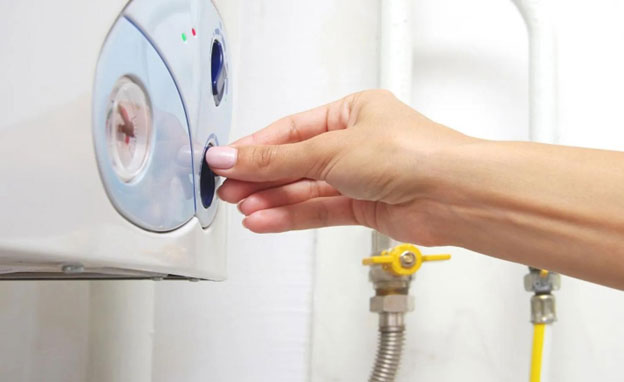
This article outlines a detailed comparison of outdoor and indoor hot water system installations, explaining the pros and cons of each to help homeowners make an informed choice.
Outdoor Hot Water System Installation
Pros of Outdoor Hot Water Systems
1. Space-saving inside your home
Installing your hot water system outdoors frees up valuable indoor space. No more clunky tanks taking up room in the laundry, garage, or cupboard.
2. Simpler installation
Outdoor installations typically require fewer structural changes inside your home, making them quicker and sometimes more cost-effective to install.
3. Less noise indoors
Gas or electric systems can produce a humming or bubbling sound. Keeping the unit outside keeps your living areas peaceful.
4. Easy access for maintenance
Service technicians can access outdoor units without disturbing your home’s interior, making regular maintenance a breeze.
Cons of Outdoor Hot Water Systems
1. Exposure to weather
Even the sturdiest systems are exposed to sun, rain, and temperature changes, which can slightly reduce their lifespan.
2. Aesthetic impact
Some homeowners worry that an outdoor hot water unit can detract from the look of their backyard or side yard.
3. Potential freezing in extreme climates
In parts of Australia that occasionally experience frost, outdoor units might require frost protection.
Indoor Hot Water System Installation
Pros of Indoor Hot Water Systems
1. Protection from the elements
Being inside shields your hot water system from the sun, rain, and extreme weather, prolonging its life.
2. Better for colder regions
Indoor installations are ideal if you live in areas prone to frost or chilly winters, as the system won’t freeze.
3. More discreet
An indoor hot water system can be hidden behind cupboards or walls, keeping your outdoor areas clutter-free.
4. Energy efficiency in specific setups
Some indoor systems, those installed near bathrooms and kitchens, reduce heat loss in pipes, meaning hot water reaches your taps faster.
Cons of Indoor Hot Water Systems
1. Takes up indoor space
Depending on your home layout, finding a suitable spot can be challenging in smaller properties.
2. Noise inside your home
Gas or electric systems can generate noise, which might be noticeable in living areas if installed nearby.
3. Potential for leaks
Indoor systems may increase the risk of water damage if a leak occurs, so careful installation and regular checks are essential.
Key Factors to Consider Before Installation
When deciding between outdoor and indoor hot water systems, think about these points:
- Climate: If you live in a frost-prone area, indoor might be safer. In temperate regions, outdoor units work perfectly.
- Available space: Check where you can accommodate the system without inconvenience.
- Energy efficiency: Consider the distance from the system to frequently used taps. The closer it is, the less energy is lost.
- Maintenance access: Ensure the unit is easy to reach for servicing.
- Aesthetics: Think about whether you want the unit visible in your yard or hidden indoors.
Hot Water System Types Compatible With Each Installation
- Gas Hot Water Systems: Can be installed indoors and outdoors, but outdoor installations are common to vent exhaust safely.
- Electric Hot Water Systems: Flexible installation; often indoor systems to avoid weather exposure.
- Solar Hot Water Systems: Paired with outdoor storage tanks on rooftops or in side yards.
- Heat Pump Systems: Installed outdoors, as they rely on air circulation to operate efficiently.
Choosing the Right Hot Water System for Your Home
There isn’t a one-size-fits-all answer. Many Australian homes utilize both indoor and outdoor systems, depending on the climate, property size, and lifestyle needs.
Here’s a simple guide:
| Factor | Outdoor Hot Water System | Indoor Hot Water System |
| Space | Saves indoor space | Occupies indoor space |
| Weather Protection | Exposed to elements | Inside, it may be noticeable |
| Noise | Outside, less intrusive | Inside, may be noticeable |
| Maintenance | Easy access outdoors | Requires indoor access |
| Energy Efficiency | Slightly less in cold climates | Reduced pipe heat loss if near taps |
Expert Tips for Hot Water System Installation in Australia
A successful hot water system installation in Australia hinges on careful planning and adherence to strict local standards.
- Always hire a licensed plumber or installer. Local regulations in Australia require professional installation for safety and warranty purposes.
- Ensure proper ventilation for gas systems, whether indoor or outdoor.
- Schedule regular maintenance checks to keep your system running efficiently.
- Consider energy-efficient models, such as solar or heat pump hot water systems, to reduce bills and environmental impact.
By selecting an energy-efficient model and committing to its care, you’ll ensure a reliable supply of hot water for the coming years.
Final Thoughts
Whether you choose an indoor or outdoor hot water system, the goal is to get reliable, efficient, and long-lasting hot water for your home. Outdoor installations save indoor space and keep noise outside, while indoor installations offer protection from the weather and can be ideal in frost-prone areas.
If you’re unsure which option is best for your property, it’s worth consulting a hot water system expert who can provide personalised advice based on your home, budget, and lifestyle.
FAQs
Q: Can I convert my indoor system to outdoor?
A: Yes, but it may require pipe extensions, venting modifications, and a new unit depending on space and local regulations.
Q: Which installation lasts longer?
A: Indoor systems are protected from the elements and may have a longer lifespan, but the quality of installation and maintenance is the most important factor.
Q: Do outdoor systems cost more to maintain?
A: Not necessarily, but they may need extra weatherproofing or occasional checks after storms. This can be offset by easier access for servicing compared to an indoor unit tucked away in a tight space.
Q: How do I know if my home has space for an indoor system?
A: A licensed plumber or hot water specialist can assess your home and suggest ideal placement, balancing accessibility, safety, and aesthetics.