
Guest Contributor: Theresa McArthur
Choosing a home builder is one of the most consequential decisions in the entire homebuilding journey. The builder shapes not only the final structure, but also the experience, timeline, and long-term satisfaction of living in your new home. Getting this choice right reduces stress and increases confidence from day one.
Key Takeaways
- A builder’s track record matters more than their marketing materials.
- Clear contracts and communication prevent most disputes.
- Long-term protection is just as important as construction quality.
Reputation and Track Record in the Real World
A builder’s reputation is often the most reliable indicator of what your experience will be like. Look beyond their website testimonials and explore third-party reviews, referrals from recent homeowners, and their local industry standing. Consistent feedback about timelines, transparency, and problem resolution usually signals operational maturity. A strong reputation is earned slowly and lost quickly, which makes it a meaningful filter.
Understanding Cost Transparency and Contracts
Before anything is signed, spend time understanding how pricing is structured. Fixed-price contracts, allowances, and upgrade paths should all be clearly explained without vague language. Builders who walk you through potential cost variables tend to be easier to work with later. Ambiguity at the contract stage often becomes frustration during construction.
Construction Quality and Materials
This is where careful observation pays off. Tour completed homes, not just model units, and pay attention to finishes, alignment, and overall durability. Ask what materials are standard versus optional upgrades, and why certain products are chosen. Quality builders can clearly explain their construction decisions without deflection.
One practical way to compare builders is to examine how they approach core building elements.
| Area of Focus | What to Look For | Why It Matters |
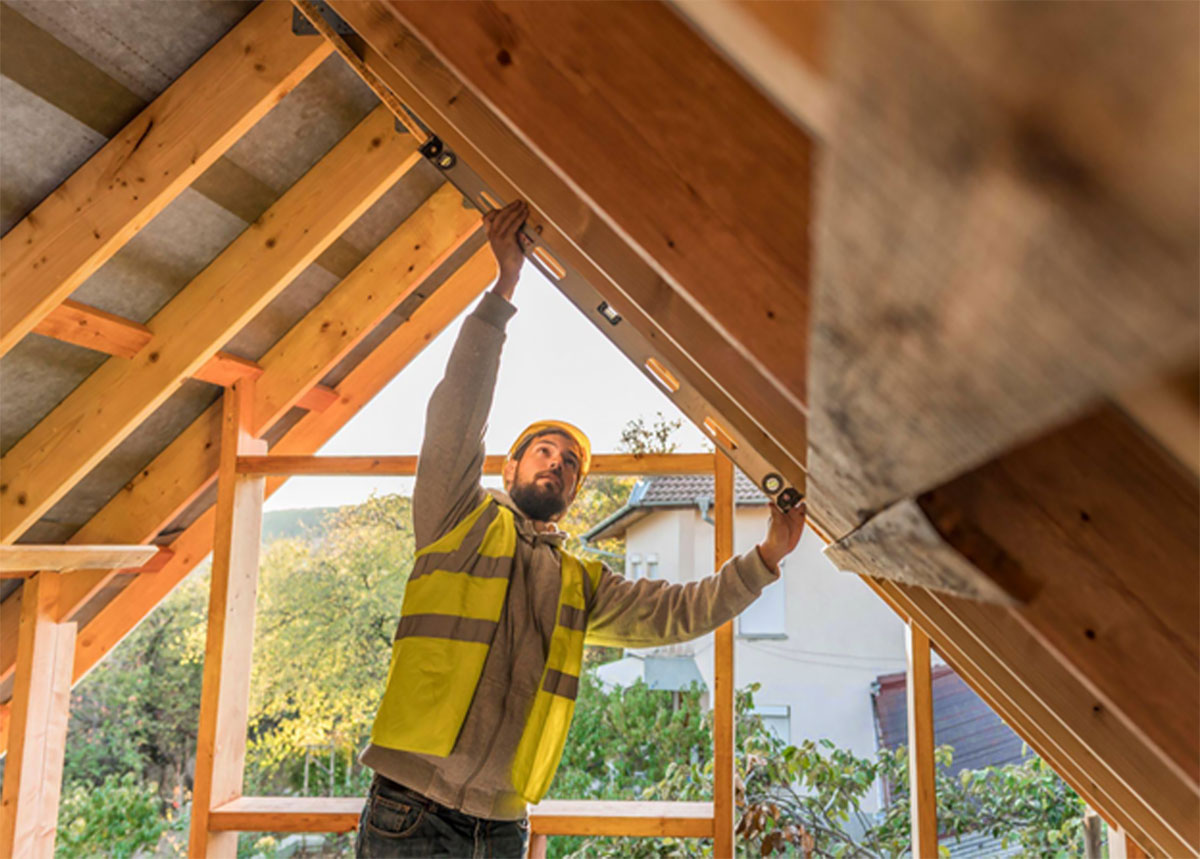
| Structural framing | Straight lines, clean joints | Indicates build precision |
| Mechanical systems | Modern, code-compliant installs | Reduces future repairs |
| Finishes | Consistent details | Reflects workmanship standards |
| Site management | Organized, safe job site | Signals professionalism |
Communication Style and Project Management
Building a home is a long, collaborative process. Builders who establish clear communication routines—such as weekly updates or a single point of contact—tend to minimize confusion. Ask how changes are handled, documented, and approved. Predictable communication builds trust long before move-in day.
Long-Term Protection and Post-Build Support
Beyond the construction phase, long-term protection reflects how seriously a builder takes homeowner satisfaction. Many reputable builders support their clients with a home warranty service agreement that helps cover essential systems after closing. This type of agreement often includes plumbing, electrical, and HVAC components, reducing the financial shock of early ownership issues. Choosing a builder or realtor who prioritizes this level of protection shows foresight and accountability. Learn more about home warranty considerations for buyers.
Practical Signals That Separate Builders
Some indicators are easy to miss if you’re not looking for them. These traits tend to show up repeatedly among dependable builders:
- Consistent scheduling and adherence to timelines
- Willingness to answer detailed questions without defensiveness
- Clear processes for change orders and inspections
- Respect for budgets without sacrificing core quality
Steps to Narrow Down Your Builder Options
If you’re comparing multiple builders, a structured approach makes decisions easier. Use the following process to reduce uncertainty and focus on fit:
- Interview at least three builders with similar project experience
- Request detailed proposals, not ballpark estimates
- Review sample contracts before committing
- Visit active job sites to observe operations
- Speak directly with recent homeowners
Home Building FAQs
These questions and answers help clarify risk and alignment before signing anything.
- How are unexpected construction delays handled?
Most builders will reference weather, supply issues, or inspections, but strong ones explain contingency planning. Ask for examples from past projects to gauge realism. Clarity here sets expectations early. - What happens if material prices change mid-project?
Some contracts lock pricing while others allow adjustments. Understanding this protects your budget and avoids surprises. Always confirm how changes are documented. - Who manages the project day to day?
A named project manager improves accountability. You should know who your primary contact is before construction starts. This prevents confusion when quick decisions are needed. - How are inspections and quality checks conducted?
Builders should have internal review steps beyond city inspections. Multiple quality checkpoints usually result in fewer post-move-in issues. Ask how deficiencies are addressed. - What support is available after move-in?
Post-build service policies vary widely. Builders who outline a clear process for warranty requests tend to be more responsive. This matters most after the keys are handed over. - Can I speak with homeowners who recently moved in?
Recent clients provide the most relevant insights. Their experiences reflect current operations, not past practices. Honest builders welcome this step.
Bringing It All Together
Choosing the right home builder is about balancing trust, transparency, and technical capability. A thoughtful evaluation process helps you avoid costly missteps and sets the tone for the entire build. When expectations are aligned early, the experience becomes more predictable and far more rewarding. The right builder doesn’t just construct a house—they help deliver peace of mind.