
Guest Contributor: Olive Smith

Italian wine has a reputation that feels well earned. It shows up at everyday dinners and important celebrations, without much effort or explanation. Many people hesitate to buy a bottle. Italian wine labels can look unfamiliar, and the variety is wide enough to cause uncertainty. Italian red wine offers depth, balance, and food-friendly character, but choosing the right one requires a bit of understanding.
This article covers how Italian wines are classified, highlights top-rated Italian red wines, and offers practical tips for choosing the right bottle based on taste, occasion, and budget.
- Why Italian Wines Stand Out
Italy is the world’s largest wine-producing country, but quantity is only part of the story. What makes Italian wines special is their strong connection to place. Each region follows its traditions, grape choices, and winemaking styles. This means two wines made from the same grape can taste different depending on where they come from.
Italian red wine reflects this regional identity. Many wines focus on balance rather than power, with acidity that pairs well with food. This is why Italian wines are called table wines: they are meant to be enjoyed with meals.
- Understanding Italian Wine Classifications
Italian wines are labelled using a classification system that indicates origin and production rules. While it may seem complex, knowing the basics helps narrow down quality options.
- DOCG (Denominazione di Origine Controllata e Garantita): The highest classification. These wines are produced under strict regulations and are well-regarded.
- DOC (Denominazione di Origine Controllata): High-quality wines with defined regional standards.
- IGT (Indicazione Geografica Tipica): Wines with more flexibility in production. Many modern and creative Italian red wines fall here.
- Vino da Tavola: Basic table wine with minimal regulation.
It’s worth noting that quality is not limited to DOCG or DOC wines. Some excellent Italian red wine is labelled IGT due to stylistic choices made by the producer.
- Popular Italian Red Wines to Know
Certain Italian Red Wines are consistently recognised for quality and style. These are good starting points for buyers.
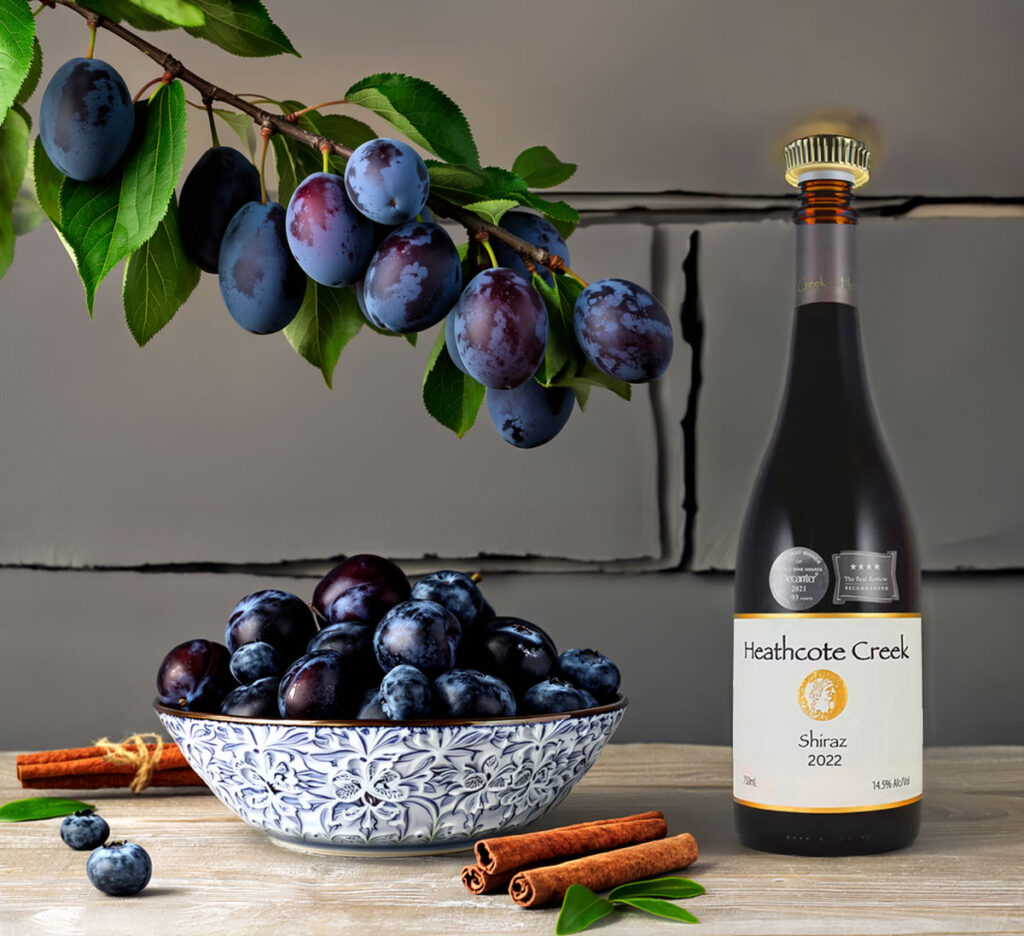
“This Shiraz presents a vibrant purple hue, bursting with black plums, blueberries, and a hint of spice and tobacco.”
- Barolo (Piedmont): Known as “the king of wines,” it is characterized by high tannins, high acidity, and complex aromas of rose, dried herbs, and cherry. Barolo wines are complex and best enjoyed with hearty meals. Barolo is a prestigious, full-bodied red wine from Italy’s Piedmont region, produced from 100% Nebbiolo grapes. It is also known for its structure and ageing potential.
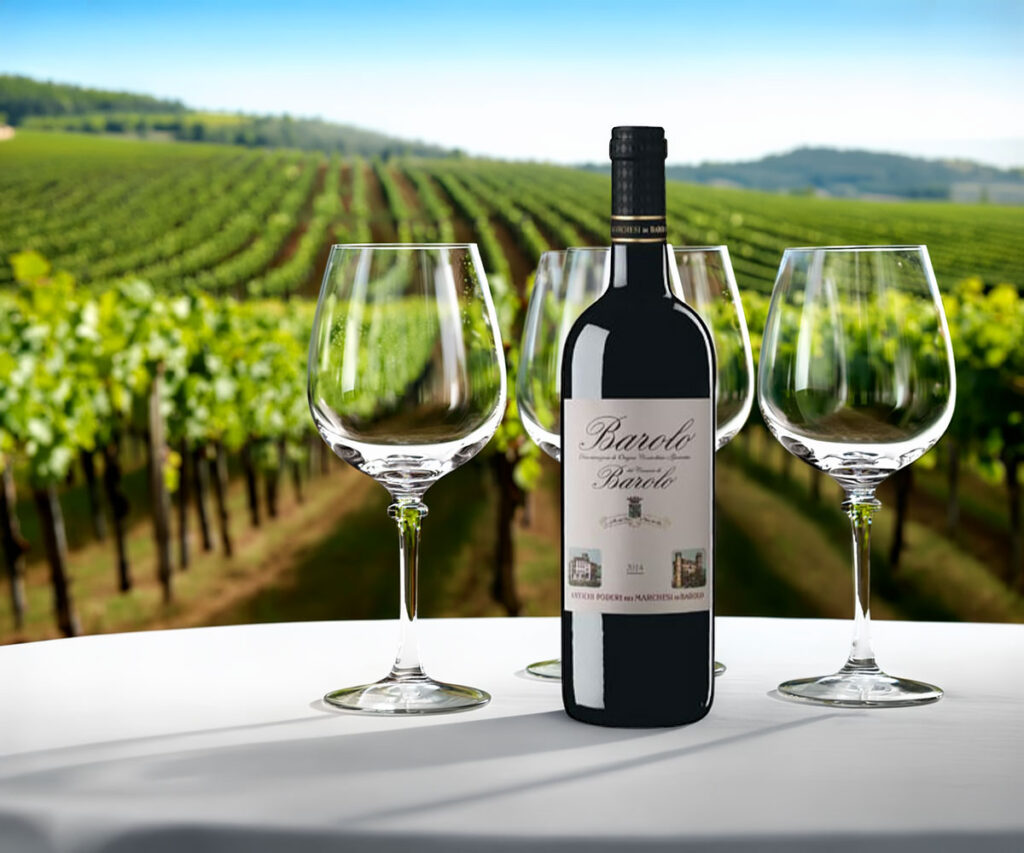
- Barbaresco (Piedmont): It is similar to Barolo but more approachable at a younger age.
- Chianti and Chianti Classico (Tuscany): They are prepared from Sangiovese grapes. Consider these wines to be balanced, or versatile in taste, and widely available in the market.
- Brunello di Montalcino (Tuscany): This is a more powerful expression of Sangiovese, considered premium and suitable for special occasions. Brunello di Montalcino is a prestigious, high-quality Italian red wine produced from 100% Sangiovese Grosso grapes grown in the Montalcino area of Tuscany. It is a DOCG wine known for its high acidity, firm tannins, and aging potential. The wine typically features notes of red cherry, dried herbs, earth, and leather, often aged for 5+ years.
This wine cannot be released until at least five years after harvest, with at least two years in oak barrels and four months in the bottle.
A delicious wine with a unique flavor profile, for instance, young vintages offer cherry, blackberry, and violet flavors; while more aged bottles develop notes of leather, chocolate, and dried figs. Brunello di Montalcino is known for being especially delicious for decades after the initial aging period.
It is traditionally aged in large Slavonian oak casks, or botti, while modern aging techniques use smaller French barriques.
Brunello di Montalcino pairs well with rich, savory dishes like grilled red meats, game (venison/wild boar), truffles, and aged cheeses. It is widely considered one of Italy’s premier red wines and is a “sibling” to Chianti, though it is usually more structured and intense.
- Amarone della Valpolicella (Veneto): Rich, concentrated, and bold, made using dried grapes. It appeals to those who enjoy full-bodied Italian red wine.
- How to Choose the Right Italian Wine
When selecting Italian wine, it helps to think practically rather than in terms of perfection. Start with the occasion. For casual meals, wines like Chianti or Montepulciano d’Abruzzo are reliable and affordable. For gifting or formal dinners, Barolo or Brunello may feel more appropriate.
Consider your taste preferences. If you enjoy lighter wines, look for regions with cooler climates or wines with lower alcohol levels. If you prefer richer styles, southern Italian regions or Amarone-style wines may suit you better.
Finally, food pairing matters. Italian red wine is designed to complement food, so thinking about what you will eat can guide your choice more effectively than ratings alone.
- Reading Italian Wine Labels Made Simple
Italian labels focus on region rather than grape variety, which can be confusing at first. Instead of trying to understand detail, focus on a few key points: the region, classification, and producer name.
Producer reputation plays a significant role in quality. A trusted producer delivers consistency, even across different vintages. Vintage information can also help, but Italian wines aim for balance rather than dramatic yearly changes.
- Price and Value in Italian Wines
Italian wines are known for offering good value across many price ranges. You do not need to spend heavily to find quality Italian red wine. Many mid-priced bottles deliver excellent character and craftsmanship.
Higher-priced wines reflect limited production, longer ageing, or historical prestige. While these wines can be impressive, but not necessary for enjoyment. Understanding this helps buyers avoid overspending while still choosing quality.
- Where to Buy Italian Wines
Specialty wine shops are the best places to buy Italian wines if the staff can provide guidance. Online retailers can be useful when they include clear descriptions and tasting notes.
Ratings and awards can be helpful, but they should be used as general references rather than final decisions. Personal taste plays a larger role than any score.
- Conclusion
Choosing Italian wine does not need to be complicated. By understanding basic classifications, familiarizing yourself with a few key regions, and considering your personal taste, buying Italian red wine becomes a more comfortable process. Italian wines offer variety, balance, and strong value, making them suitable for many occasions. With a thoughtful approach and a bit of curiosity, you can find bottles that suit your preferences and enjoy the experience without pressure.