
Guest Author, Olive Smith.
Watering plants or the landscape isn’t as simple as it looks. It is like turning on the tap: the lawn turns green, and everything seems fine in its place. But a landscape owner has to deal with dry patches, dying plants, or rising water bills, which indicates that it is not straightforward. Quality irrigation plays a much bigger role than most people realise when gardens and green spaces are expected to look good year-round. Many homeowners start searching for irrigation companies “near me” only after problems appear, but good irrigation is about prevention, not repair. Irrigation is the process of imparting a controlled amount of water to the soil and plants. The main purpose of irrigation is to support the healthy growth of plants during times of inconsistent natural rainfall.
This article explains what irrigation is, why quality matters, and how the right system and service choices can protect landscapes in the long term.
Why Quality Irrigation Makes a Real Difference
A well-managed water supply system can keep the grass dense and the plants healthy. It helps you to deliver water evenly spread across the landscape. Uneven watering results in shallow roots, stressed plants, and areas that will not recover over the lifetime.
Quality irrigation supports the overall health and lifespan of a landscape. Plants grow deeper roots, lawns remain resilient under foot traffic, and soil structure improves over time. In regions with unpredictable weather or long dry spells, irrigation is not only helpful, but it is also essential. Even in moderate climates, short dry periods can undo months of growth if watering is poorly timed or inconsistent.
What Goes Into a Reliable Irrigation Setup
- Designed for the Property, Not the Package
A reliable quality system is designed to protect the property from water damage. Everything like soil type, plant variety, slope, and sunlight exposure matters for perfect growth. A one-size-fits-all approach doesn’t work practically here.
- The Hardware That Holds It Together
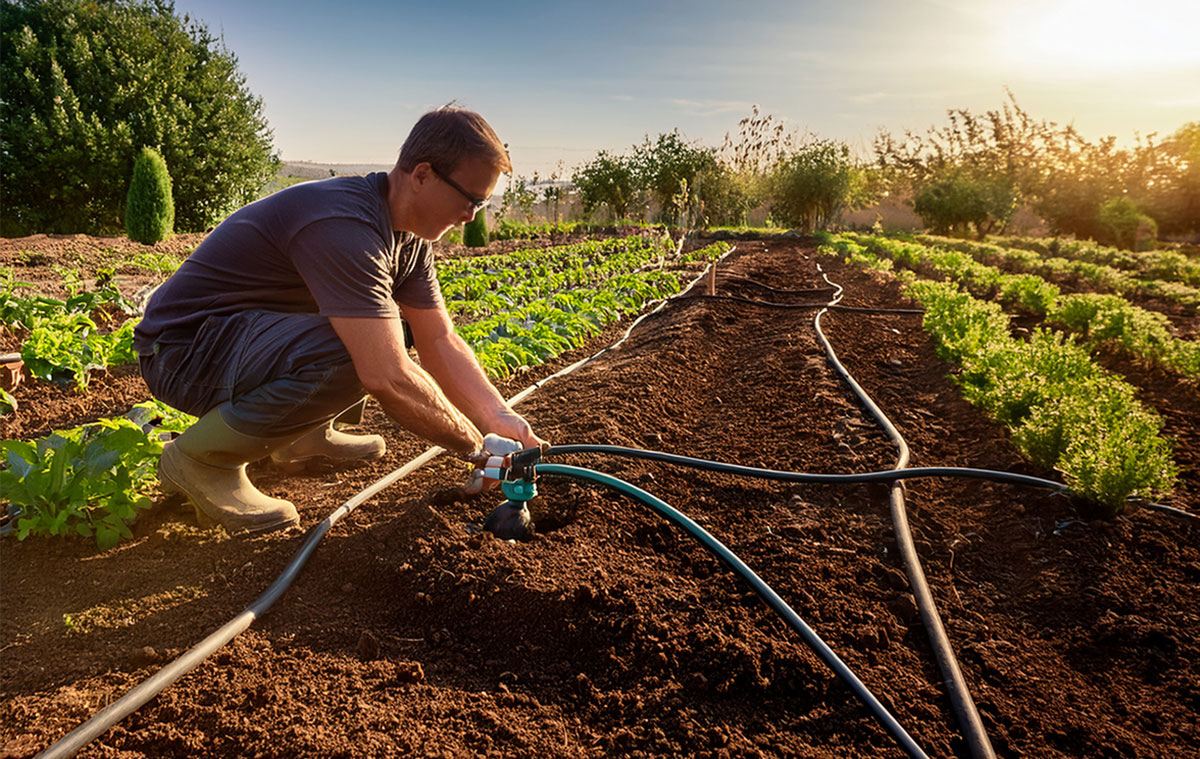
Good systems rely on dependable components. Timers and controllers manage schedules, valves control water flow, and sprinklers or drip lines distribute water. The system runs quietly and efficiently when these parts work together properly.
- Smarter Tools for Better Control
You can install modern systems with smart controllers and active moisture sensors to keep a close eye on the plant’s health. These tools help adjust watering based on weather and soil conditions. It is a technical process, but saves water and requires less guesswork.
- The Practical Benefits You Notice
Efficient water use is the first benefit people see. Less runoff, fewer puddles, and no overwatered corners. Over time, this efficiency lowers water costs, sometimes noticeably.
It tends to improve plant health and soil conditions. Lawns become uniform, and shrubs grow evenly without leaning all toward the water sources. You may have noticed the better response of even the small garden beds on receiving consistent water.
There is also an environmental benefit. Reduced runoff means fewer nutrients and chemicals washing into drains.
- Designing and Installing the System the Right Way
It is the most essential step to assess the landscape condition and check the water source carefully before installation. Various factors, such as pressure, flow rate, and access points, affect design decisions.
Choosing the right irrigation type is another key step. Sprinkler systems work well for lawns, while drip irrigation is better suited for garden beds and shrubs. Automated systems add convenience, but only if they are set up thoughtfully.
Different areas need different amounts of water. Grouping plants with similar needs allows for more accurate watering and better results overall. This is one reason many people turn to irrigation companies near me rather than attempt complex designs.
- Maintenance That Protects the Investment
Irrigation systems are not install-and-forget solutions; they require regular maintenance. They require regular inspection to help you detect leaks, clogged heads, or worn components in time. These small checks prevent costly repairs later.
Filters should be cleaned, damaged parts replaced, and spray patterns adjusted as plants grow. Seasonal schedule changes also matter. What works in summer rarely works in cooler months.
In the long run, maintenance saves water and money. It also extends the system’s life, which is often overlooked during the planning phase.
- Selecting the Right Irrigation Professional
Experienced irrigation specialists bring more than tools. They bring judgment built over years of installations and repairs. Qualifications, licensing, and local experience are worth checking.
It helps to ask about system design, maintenance plans, and how adjustments are handled over time before committing. Many homeowners compare several irrigation companies near me before deciding, which is a smart move.
- Conclusion
Quality irrigation is not only about keeping landscapes green. It is an investment in plant health, water efficiency, and long-term savings. When systems are well designed, properly installed, and maintained, they quietly support gardens through changing seasons and conditions. For those considering upgrades or new installations, exploring reputable irrigation companies near me can be the first step toward a healthier, more resilient landscape.