
In fact, to someone passing by, it might have looked like a bit of a mess—a small corner of the yard with containers, scraps, leaves, and things not quite in order.
But I knew something was happening there.
The Beginning
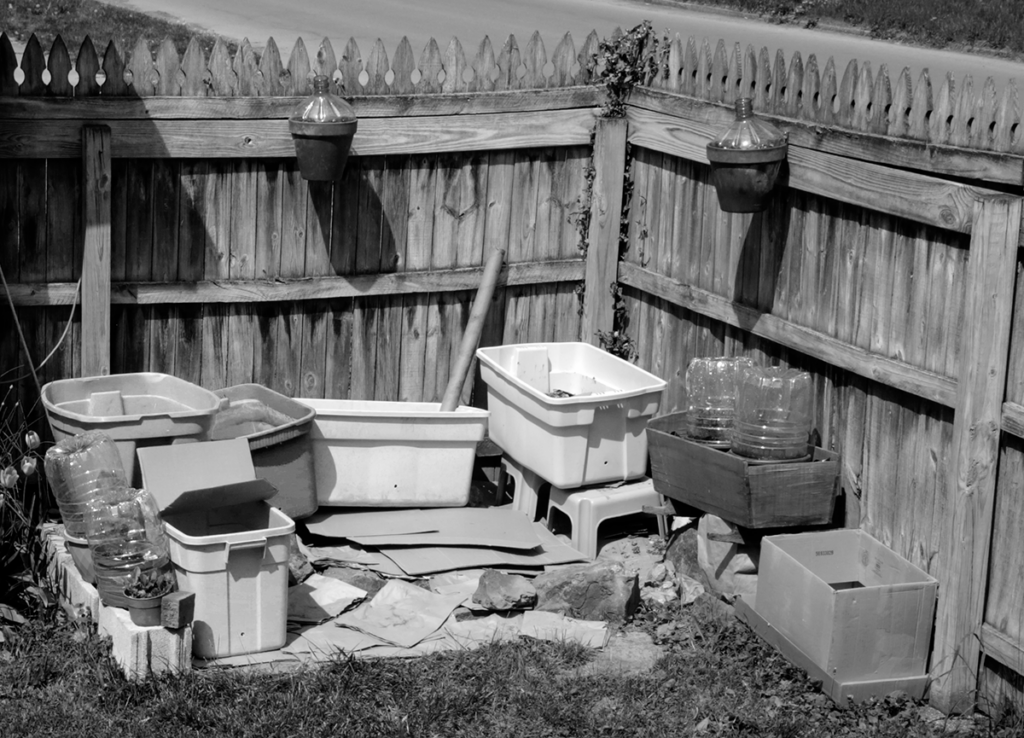
When I started gardening in my small backyard, I didn’t have much to work with. The soil was tired. Sparse. Almost lifeless. There were no earthworms to be found, no sign of the kind of rich, living soil you hope for when you begin.
Still, I started anyway.
I layered what I had—kitchen scraps, leaves, cardboard—what’s often called “lasagna gardening.” It wasn’t perfect, and it certainly wasn’t neat.
But it was a beginning.
What Others Might See
I was aware, at times, that it didn’t look like a traditional garden. There were bins. Piles of leaves. Layers of material that hadn’t quite settled yet. It wasn’t rows of tidy plants or carefully arranged beds.
But I had begun to understand something… What looks unfinished… can still be working.
The Turning Point
With time, the Red Wiggler composting worms did their work. They transformed all the kitchen scraps I gave them into Worm Casting Garden Gold! The scraps of cardboard and leaves I started with broke down. The soil slowly changed. What had been thin and unproductive began to darken and soften. It held moisture better. It responded. And beneath the surface, life was returning. Earthworms began to appear where there had been none before. That’s often a sign of healthy soil—earthworms help break down organic matter and improve fertility by turning it into rich humus.
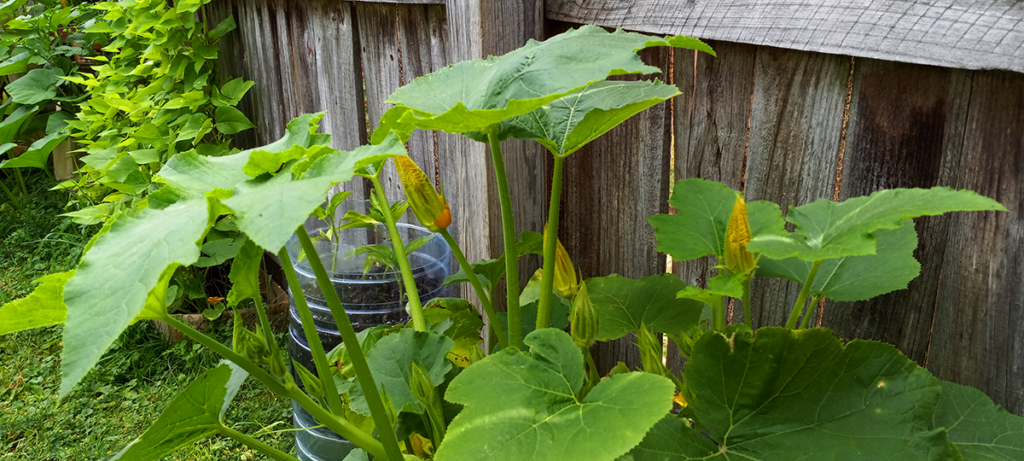
But again—I didn’t learn that first from books.
I saw it happen. Everything began to grow. What I was seeing in my small backyard began to make more sense.
Then something else changed. Plants that had struggled before began to take hold.
- I started seeing:
- greens pushing up through the soil
- beans climbing higher than expected
- small signs of life becoming something more
Even the things I once pulled out without thinking—purslane, dandelion—began to feel like part of the garden.
NOT WEEDS! They were just plants I hadn’t understood yet.
A Different Way of Seeing
Gardening changed how I saw things. Not just the soil—but the process. It taught me that growth doesn’t always look neat. It doesn’t happen all at once. And it doesn’t always match what we expect it to look like.
The Quiet Science Behind It
There’s a reason this works. The soil ecosystem is a living “Soil Food Web,” composed of bacteria, fungi, worms, and microorganisms. This web relies on a symbiotic exchange, in which plants nourish microbes and provide carbon-rich sugars, using sunlight and water to help plants grow stronger over time.
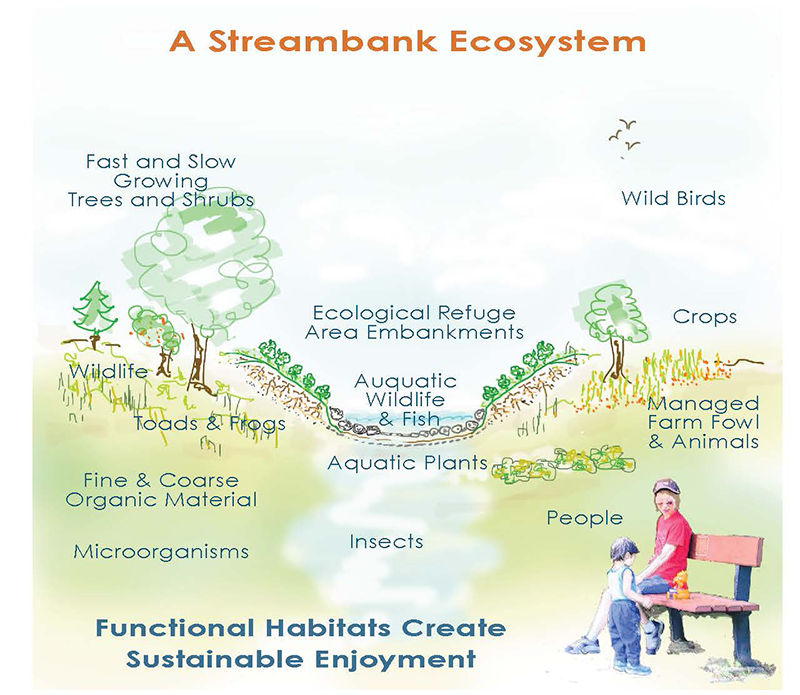
Together, nature creates a beautiful environment where we can enjoy our lives.
Time spent in the garden—working with soil, tending plants—has been shown to reduce stress and improve well-being. I am one of those people who doesn’t like to exercise without a purpose. So gardening gets me out in the sunshine and lets me enjoy nature. It is a movement and a natural kind of exercise. I even go out on some misty mornings to pick a morsel or two for our breakfast.
But what mattered to me wasn’t the explanation of why gardening is good for you on many levels. It was the experience!
Over the years, that small corner of the yard changed.
From something haphazard and not picturesque, to something I could be proud to show my neighbors.
Not all at once.
Not dramatically.
But steadily.
What once looked like a collection of scraps and experiments became something else:
A living garden!
It is like a life lesson!
Sometimes what looks like a mess is just the beginning of something working itself into place.
A place where things grow, where food begins, and where small efforts add up over time. And your life has meaning and relevance to your family, friends, and yourself.
This perfectly illustrates the old saying,
“If you want to be happy all your life, plant a garden!”
You begin not knowing what it will turn out like.
This is like life; you place a layer of learning here. A change of experiences and fortitude there.
And then one day, you look back at your life, or your garden, differently.
What you put into the garden or your life is what you get out of it.
Not as something unfinished. But as something alive. Something that, through all the hardship and effort, bears fruit. Nourishes your soul and builds memories of moments you want to remember.
When you look back, you have concrete evidence of your own strength. It is a lesson in appreciation, for even though we do everything right for a garden, it is still the LIFE FORCE of all that IS, that accomplishes it.
A few days ago, a friend and I were talking about our lives, how we worked, raised a family, and lived our lives. The years have gone by, and all the things we worried about didn’t happen. Somehow, by the Grace of God, things worked out, even during the worst of circumstances.
It didn’t happen all at once. But slowly, that small corner changed—and so did the way I saw it.”
It is like sunshine, it just pours out, and both we and the plants just soak it up.
So, be happy, go out and plant your garden of life. Whether it is in a small pot, a large garden, or a field, be Happy!
Find More of The Garden Series Articles:
I Didn’t Talk About the Worms at First | The Garden Series – Post 1
At first, it didn’t look like much |The Garden Series – Post 2
At first, I pulled them out without thinking. |The Garden Series – Post 3
The Day the Butterfly Came | The Garden Series – Post 4