
No, I didn’t talk about it much at first.
There’s something about saying you keep a bin of worms that feels… a little awkward. Not exactly the kind of thing you bring up in conversation. When I tried to broach the subject, I got a few blank stares and even some astonished looks of disgust.
You see, I wrote a book called Butterfly Baby about an Eastern Tiger Swallowtail butterfly and her journey through nature. I became so enthralled with her story that I wrote a companion book for parents and teachers that discusses nature and building an ecosystem in your backyard. Well, I only have a postage stamp yard, but I figured I should practice what I preach, so I started gardening. A writer’s life is like that!
Before I show you the process, here is where things became worth it!
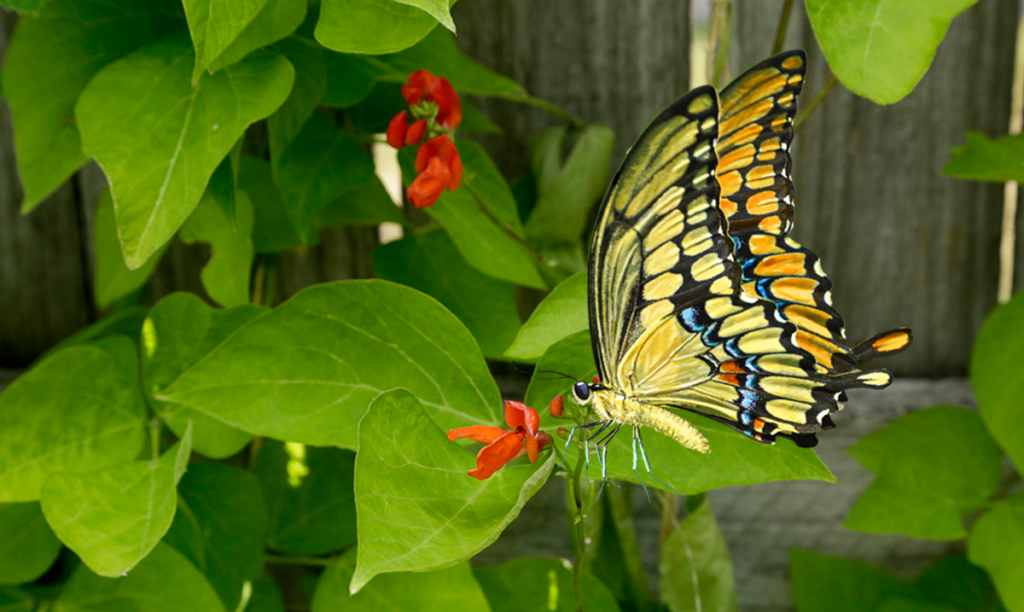
One day, when I was out watering the garden, an Eastern Tiger Butterfly fluttered by as if to say, thanks!
What I was seeing in my own backyard suddenly made sense.
Here is how I started my worm bin
I started a small worm bin with red wigglers, hoping for a simple way to compost kitchen scraps. After all, I don’t like to waste, and if I could feed the worms what I would normally throw away, and that would be my natural fertilizer, well, hey, that would be a good thing.
It wasn’t fancy or elaborate—just a small, contained space where vegetable peelings and bits of food could go instead of in the garbage.
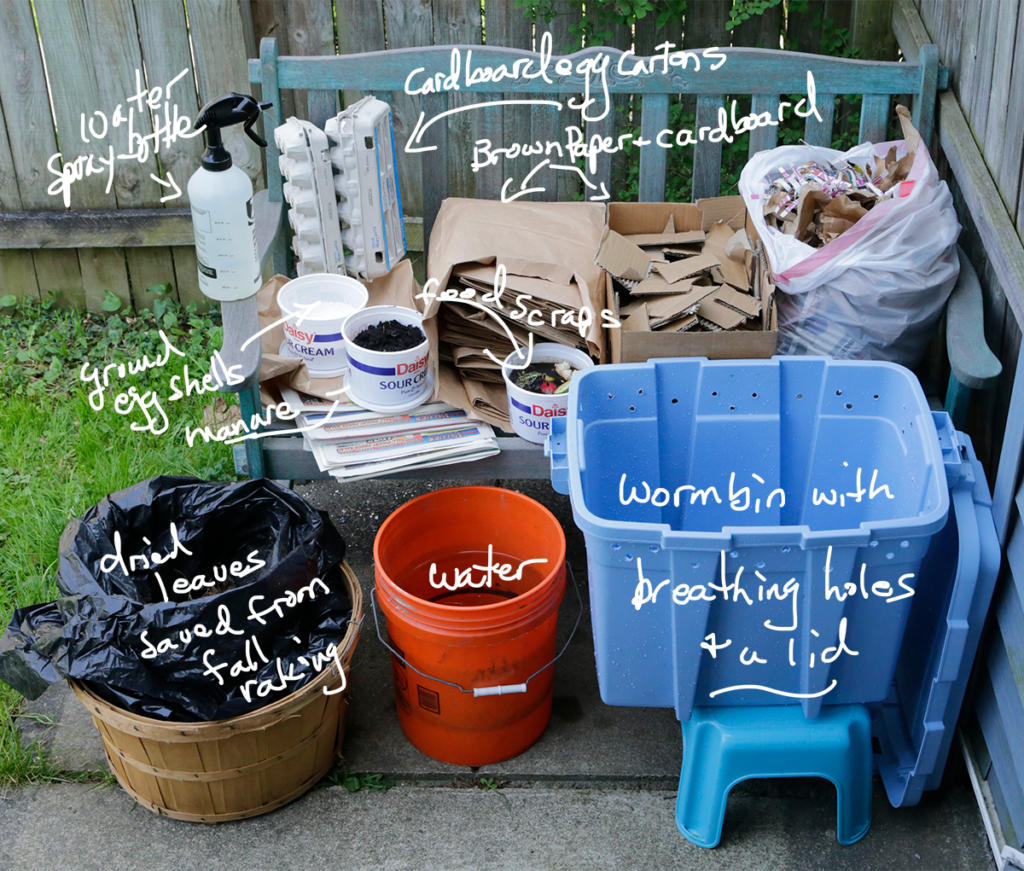
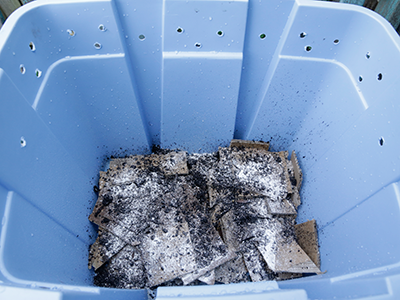
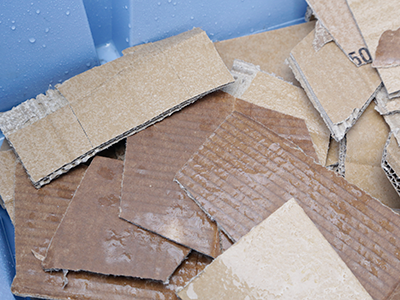
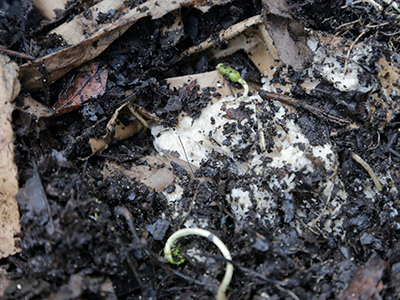
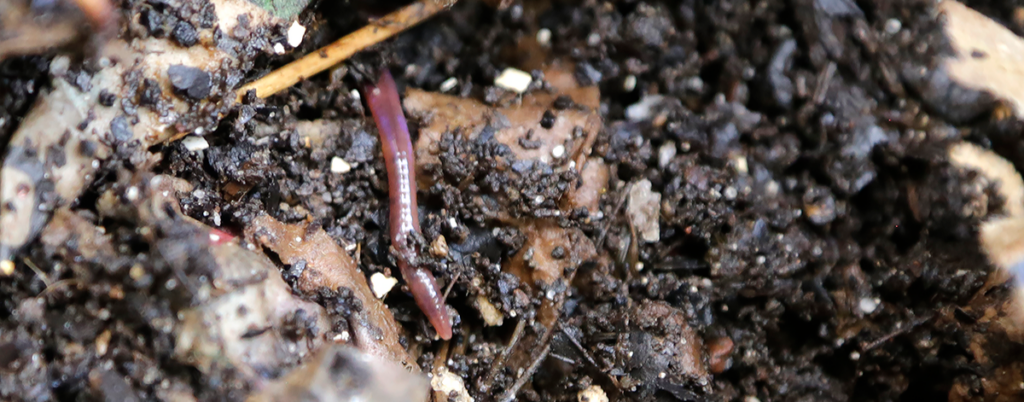
I started with a $25 package of red wigglers, maybe only 50 worms. But at this writing, there must be a few thousand in the worm bin in my garage. It is warmer there, and I have plant heaters to keep them warm, along with some blankets and bags of fall leaves as insulation. Next month, I will move them to a new bin in their summer home in my backyard. I separate them from their castings about every 2 to 3 months, except in winter. I cover them with a lid and place a stone on top so that wild animals won’t get in, especially raccoons. So far so good.
I wasn’t quite sure what to expect.
But the worms went to work.
And quietly, something was happening.
A Quiet Process
What surprised me most was how natural it felt once I began.
There was no noise, no fuss—just a quiet, ongoing process happening beneath the surface. The worms took what would have been waste and transformed it into something rich and useful.
I watched some YouTube videos of others who raise composting worms, and some said that sifting through the bin was calming and therapeutic. I didn’t believe that and always wore gloves. But you know, as I separated the worms from the castings, I would come across some itsy bitsy baby worms, and they would hang on to my gloves. Sometimes they landed in the castings pile, and I would have to save them and put them in the bin where I had prepared their new bedding.
This process of vermicomposting—using worms to break down organic material into what’s known as worm castings, a nutrient-rich soil amendment was providing a whole new cycle of gardening for me.
I found that the soil in my backyard was quite anemic at first.
There were no regular earthworms at all!
But once I started using the worm castings, and, of course, some of the red wigglers, which are actually earthworms, got into the garden as well, I found they attracted earthworms, and, in time, I was growing an ecosystem.
I didn’t learn this technically; I learned by watching and doing.
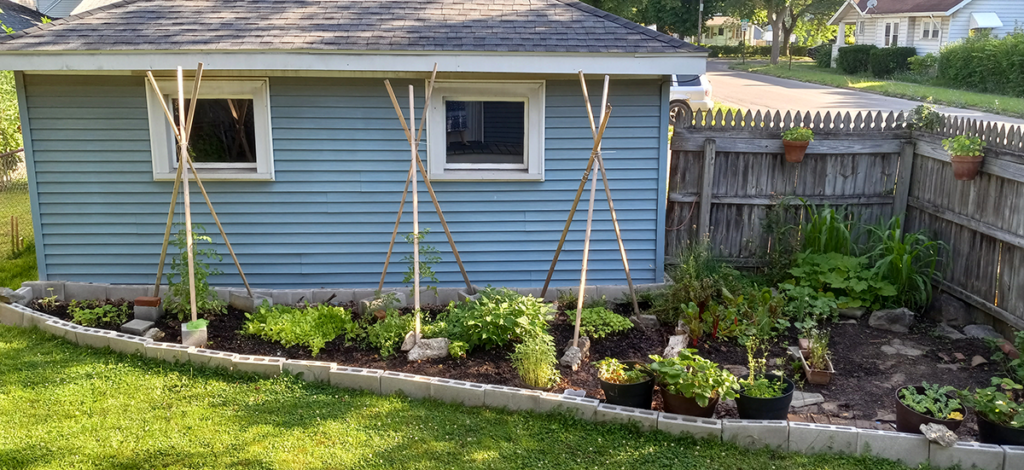
A Beginning Garden …just a wild corner behind the fence
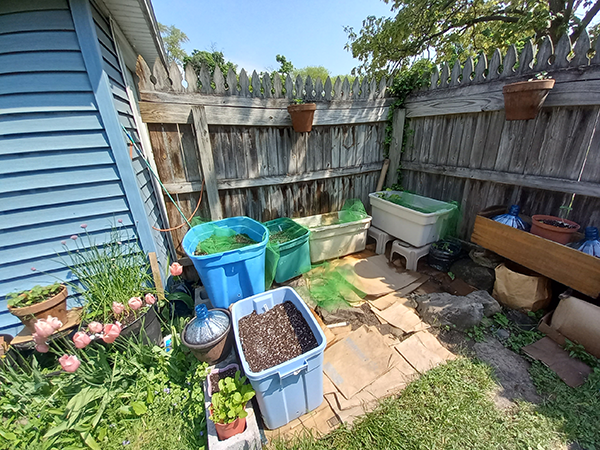
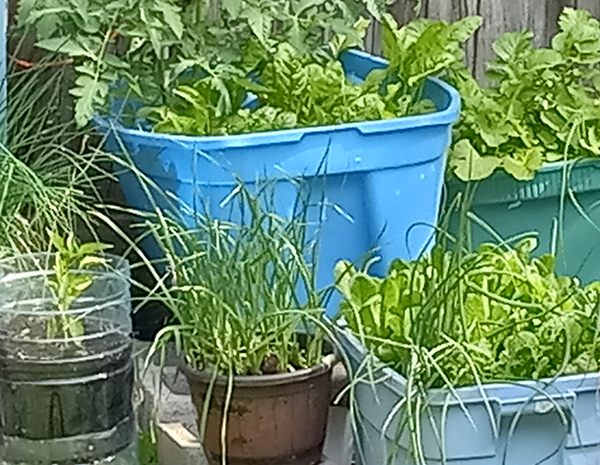
Making the Best of the Corner 5 years later – The Worms are making it worthwhile.
Getting to Know the Worms
Red wigglers—Eisenia fetida—are especially suited to this kind of composting. They thrive in contained environments, such as bins, and eat all of the kitchen scraps I can gather, gradually transforming them into compost.
- They don’t like citrus fruits, onions, or garlic.
- I can’t give them any fermented leftovers, not that I would spare those, they’re so good in stir fries when you get down to the last in the jar. The worms can’t have them because of the salt. Salt in soil can harm microorganisms if in too large an amount.
Fall is a Cornucopia
Every fall in pumpkin season, I save the jack-o’-lanterns for the worm bins. Last winter, my worms ate through two huge pumpkins in addition to all my food scraps. (I save some in the freezer just in case they get ahead of my leftover food waste production in meal prep.)
These red wiggler worm ‘Pets’ live naturally near the surface. They prefer dark, moist spaces and quietly do their work without needing much attention. They love having dried leaves on top to crawl in, but after they have eaten a lot of the food, they like to settle at the bottom of the bin. They don’t like being exposed to light, so they dive down deep as soon as I come to see what they are up to.
Over time, they’ve produced something remarkable, a healthy garden with some great foods I can take into the kitchen for more healthy meals. In fact, it might be just our imagination, since my husband and I try to take our healthy dose of vitamins; in the summer, we don’t feel we need as many supplements. We are getting great nutrition.
Lettuce loses so much of its goodness on the first day after it is picked. I pick, wash, and serve.
What Worms Leave Behind
What the worms create—worm castings—may not sound particularly beautiful at first. In fact, they are a bit gross and gooey. I usually place them in a separate bin, add some water, and fertilize the garden with them right away. Then change my clothes 😊
There is a reason they call worm castings GOLD in the garden. There is no fertilizer like that!
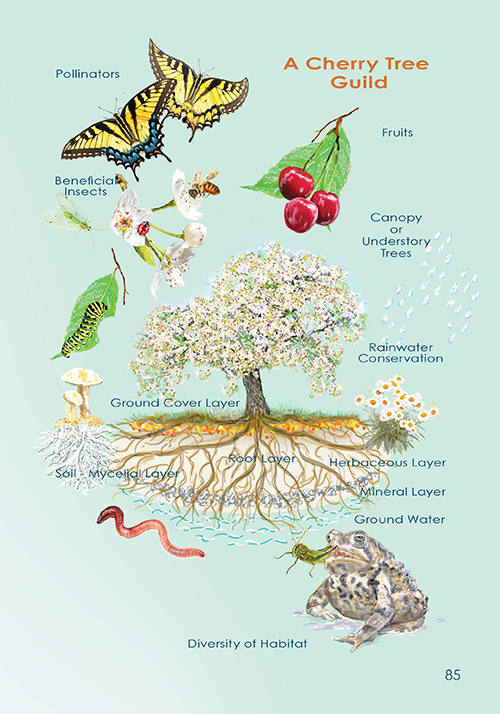
An Ecosystem in the Backyard!
I found out in my research for the Butterfly Baby Companion book that what we consider just dirt is really an ecosystem.
Everything in nature communicates. It sounds like impossible magic, but something in the worm castings communicates with plants, telling them, “It’s time to grow.”
I can attest to that as I put some castings in the garden one fall, and some of the plants I thought had finished growing all of a sudden started budding again!
The image on the left is an illustration from my book, Butterfly Baby Companion Book.
What I Began to Notice
Worm castings improve soil structure, help retain moisture, and provide nutrients in a form that plants can easily absorb.
Now, I did say the worm castings were sort of gross, but they don’t smell like rotting food! The compost itself becomes dark and crumbly, with a clean, earthy smell.
The castings are the color and texture of rich dry soil, or, sometimes, because the vegetables and fruits the worms eat are juicy, they can be gooey.
How long did it take to grow a great garden?
It took a while for my barren backyard to come alive, but each season it just gets better. Even at first, I began to see small changes. Best of all, my former gardening fiascos were ending, and I actually grew some delicious greens and beans, and last summer I even grew a hill of sweet potatoes.
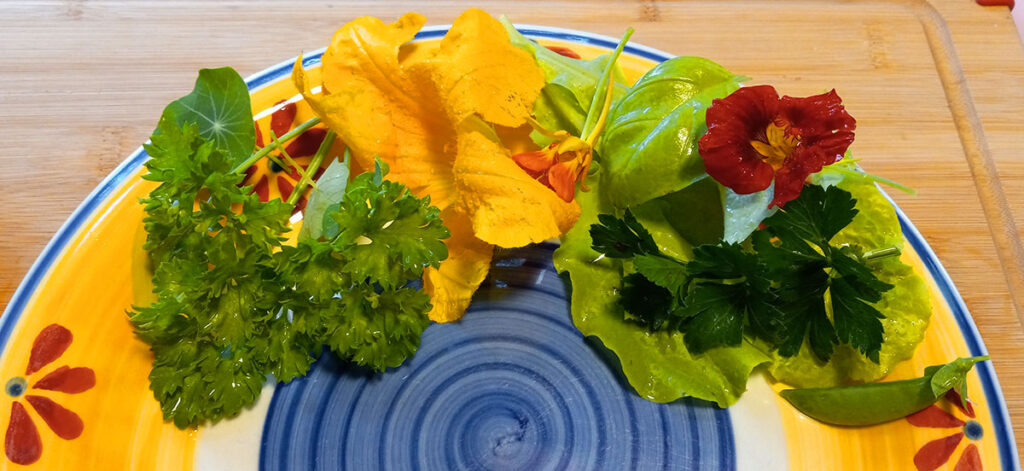
I love mornings when I can go out into the garden and just pick a few things to add to our breakfast.
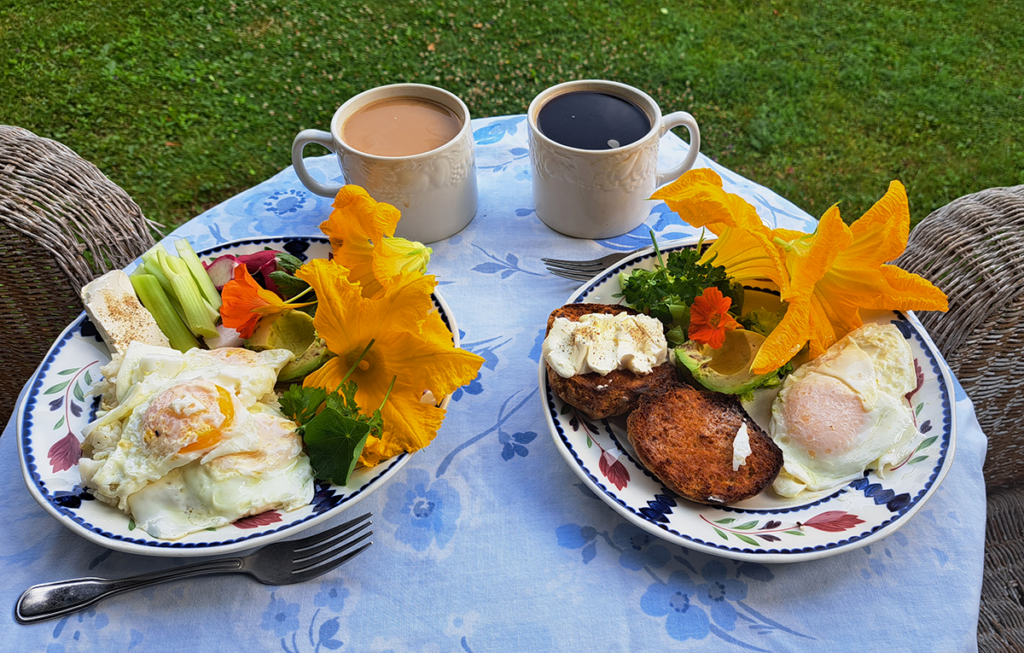
The soil in my garden is richer. Plants respond—not dramatically at first, but steadily, they grow stronger with healthier leaves.
It wasn’t immediate. It wasn’t loud.
It was quiet.
And it was consistent.
Saving Seeds that Grew Bigger the Following Year
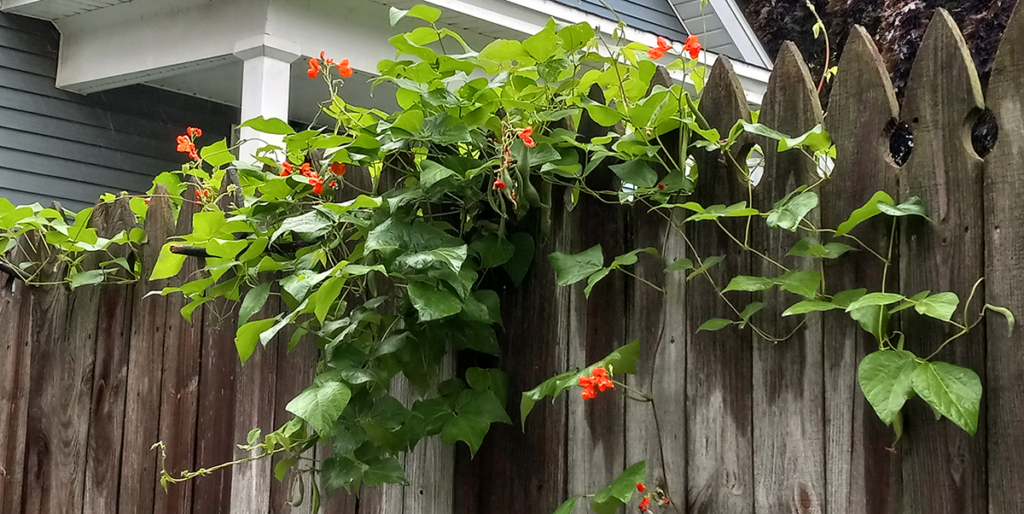
The first year, I saved some Scarlet Runner bean seeds to plant again. These produce beautiful scarlet flowers on a climbing vine that are considered excellent pollinator plants. My garden started attracting beneficial insects that love them. Bumble bees, humming birds, and lacewings love them. It is possible that butterflies are attracted to them, too. Well, in the second year, I planted them and fertilized them with worm castings, and they grew right over my garden fence.
A Simple Natural Rhythm
What I appreciated most was how simple the process remained.
All I did was add:
- vegetable scraps
- fruit peelings
- coffee grounds and spent tea
- bits of paper and cardboard
And avoided:
- meat
- dairy
- oily foods
The worms handled the rest.
Change that Changes You Too
In fact, all this changed the way I handled some of the waste in food preparation.
For instance, we love Avocados. But sometimes they become overripe inside and not that appetizing. Well, now I just say to myself, this is great worm food! The red wigglers will eat a whole avocado pit in time. It is hard when you put it in the bin, and a few weeks later, you can mush it between your fingers if you aren’t squeamish.
Red wigglers are efficient decomposers, capable of breaking down organic material quickly and steadily over time.
I want nutritious castings for the garden, so I feed the worms nutritious scraps. I buy eggs only in paper cartons and save the eggshells over winter. In spring, I smash the eggshells in the cartons with my feet and then dump them into a paper bag I get at the grocery store when I forget my reusables. I then place a few in the oven to kill any salmonella and run a rolling pin over them. I store the eggshells for winter, and they act as a nutritious grit in addition to the sand the worms need.
Labor intensive… not!
Sometimes, especially in the summer months, I turn the worms in the bin around a bit, mostly to have a look at the worms. But you don’t have to turn them constantly or micro-manage them. In fact, in the winter months, I can leave them with enough food for six weeks at a time and just let them be.
I just let them do their thing!
They are happy little creatures with a great purpose.
Why I Kept Going
At some point, my hesitation to tell people I kept worms faded. I think if more people knew how easy and beneficial they are, they would want to have some of their own.
I understand some people even keep a worm bin in their apartment, but I wouldn’t advise that, as if you feed them a lot of fruit, you can get an infestation of fruit flies. A balcony or backyard is perfect. No one would know what is in that tote, really.
Some people have a compost place in a corner, and the worms can be uncontained over winter. But I appreciate having the castings I can use as liquid fertilizer, and I’m unsure of collecting them again if they’re let loose.
Once you get used to this, it becomes a part of your routine. It surely saves on trash space and smell. I feel I send so much less trash to the landfills. The worms also eat most of the cardboard boxes that things come in through deliveries. I just have to remove any tape or plastics.
There’s beauty in the results
Composting with worms wasn’t just about reducing waste anymore—it became part of how I cared for my garden, and in a quiet way, how I connected to the natural cycle of things.
There is so much food waste, even in small things. It makes me feel good to put them to good use.
I like to make parsley, cilantro, and basil pesto in the wintertime, and I can vermiculture-compost all the stems. Every cabbage salad leaves behind a pile of cabbage that can be put to good use. Even leftover oatmeal porridge or cooked rice that we don’t want to eat is good food for worms. As long as the scraps of meat or dairy left on the plate are removed, the rest can be scraped into the “food for worms” containers.
Here is a tip: Instead of buying small containers of yogurt or sour cream, I buy a family-size tub and store the contents in glass storage containers. But I wash the plastic bins to store worm food and often freeze the scraps in them. Freezing food scraps actually helps the worms digest everything faster. I never get confused since I don’t store any edible foods in the freezer in the same containers.
- Taking what would be discarded and turning it into nourishment.
- Watching something small create something meaningful.
- That’s good for the environment on the home front.
Not everyone may want to have a worm bin or a garden. But there are farms that are now starting to transform scraps into Black Gold on a large scale. Spread the word, our ecosystem needs worms!
A Different Way of Seeing
Worm composting may seem like a small thing.
But like many small things, it grows.
Quietly. Steadily.
…and before long, it changes how you see what’s beneath your feet—and what’s possible in even the smallest space. From a lasagna garden bed to a planter on the porch, or your miniature flower garden, Worm Castings are Gold.
Your flower garden could be the envy of everyone on your block. Then you can brag and tell them your secret. Once you get over being embarrassed that you are a worm keeper like me, that is!
A Gentle Beginning leads to something great.
If you’re curious about starting, you don’t need much. You Can Do It!
Just a small space. A simple bin. And a willingness to begin.
It may feel unusual at first.
But it doesn’t stay that way!
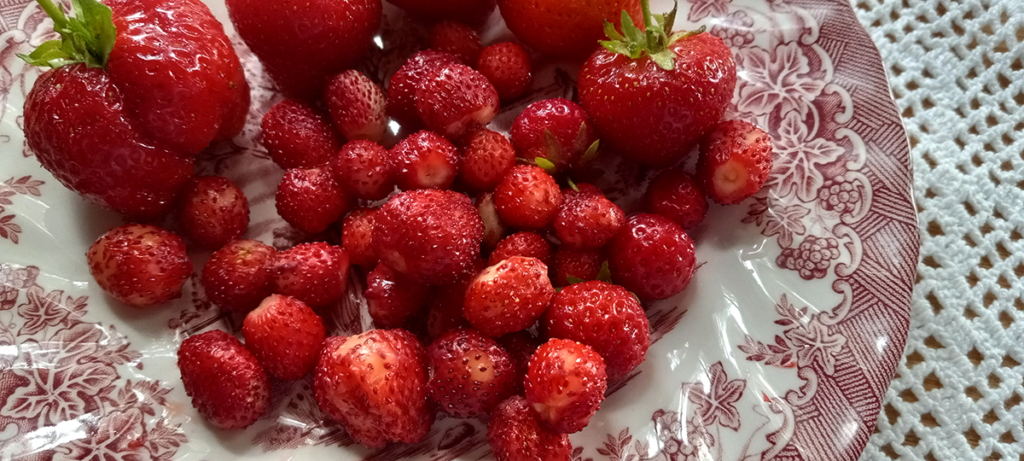
I can’t tell you enough about what it is like to taste the first fresh strawberries from your garden. It makes all the watering, raising of Red Wigglers, picking weeds, and more really worth it!
Find More of The Garden Series Articles:
I Didn’t Talk About the Worms at First | The Garden Series – Post 1
At first, it didn’t look like much |The Garden Series – Post 2
At first, I pulled them out without thinking. |The Garden Series – Post 3
The Day the Butterfly Came | The Garden Series – Post 4