
Anything that didn’t look like something I had planted—anything that appeared where it “shouldn’t”—was treated like a weed.
Something to remove.
Something that didn’t belong.
But over time, that began to change.
Probably a weed, but I found that some weeds are actually beneficial and even edible.
And that’s not just poetic—it’s real:
As my garden slowly came to life, I started noticing things I hadn’t before.
Small plants appeared on their own.
Low to the ground, persistent, quietly thriving.
- Purslane is unusually rich in omega-3 fatty acids and antioxidants for a leafy plant
- Dandelion greens contain vitamins A, C, and K, plus important minerals like calcium and iron
- Plantain
Many common “weeds” are actually nutrient-dense foods hiding in plain sight. What I had been pulling out of the garden… was actually food.
A Shift in Perspective
At first, I saw them the way most people do. But something made me pause.
The First Question
I began to wonder, since I had been paying attention to the ecosystem I had researched for my Companion Book to Butterfly Baby…
What if they weren’t a problem? What if they were part of what was working?
Discovering Nutrient Powerhouses in Edible ‘Weeds’!
I learned that many of the plants I had been pulling out were not only edible, but incredibly nutritious.
What’s the best weed to eat to get your Omega-3 fatty acids? Purslane!
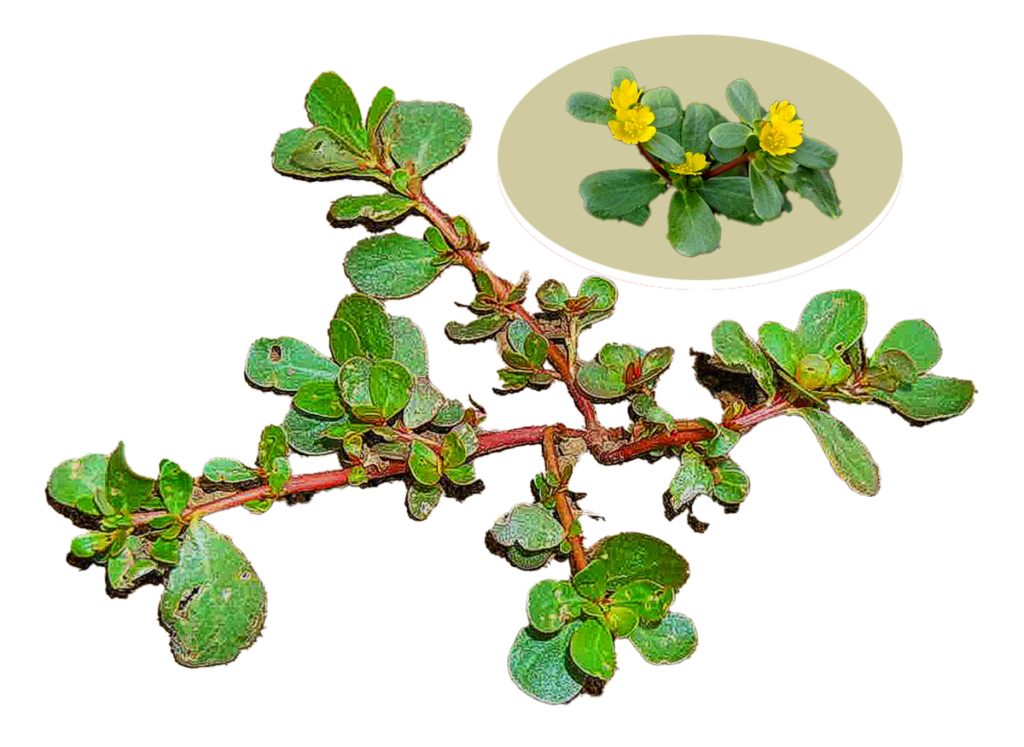
During WW2 in Europe, when food was both scarce and rationed, Purslane helped many avoid starvation. Although many wild plants became part of their diet, this one ensured they had much-needed Omega-3 fatty acids.
Purslane is a highly nutritious “superfood”; it’s a weed rich in omega-3 fatty acids (alpha-linolenic acid) that rival those of many leafy greens, along with high levels of vitamins A, C, and E, and minerals like magnesium and potassium.
- Purslane promotes heart health, reduces inflammation, supports bone health, and is full of potent antioxidants. Omega-3 fatty acids reduce the risk of stroke and cardiovascular disease.
- Purslane contains five times more omega-3 fatty acids (alpha-linolenic acid) than spinach,
- Helps maintaining a healthy immune system.
- Packed with vitamins, etc., that combat oxidative stress and cell damage. The Vitamin A content of purslane is higher than in many other leafy greens; it also contains Vitamin C and Beta-carotene.
- High potassium and magnesium content help regulate blood pressure. while its
- High Mineral Content: It provides a good source of important minerals for bone and muscle health, including magnesium, calcium, phosphorus, and iron.
- A diet food packed with good nutrition that is low in calories.
- Contains glutathione, melatonin, and betalain (which gives stems their reddish color), helping to manage inflammation, improve sleep, and potentially offer anti-cancer benefits.
Beware of a look-alike weed called Surge. Purslane has smooth, succulent reddish stems with clear sap, while spurge has thin, often hairy or woody stems with a milky white, sticky sap. Purslane leaves are thick and spoon-shaped. Spurge leaves are flat and often have a red spot in the center; the red spot is a danger signal.
How to eat Purslane:
You can pick a sprig of Purslane right out of the garden and eat it, or you can fancy it up in the kitchen by adding it to a salad. When I pick salad greens for our dinner plate, I often include purslane and a leaf or two of dandelion along with the other greens I’m gathering. I wash them all, chop with scissors, then toss with a vinegrette dressing. You can add Purslane to a delicious soup or sautée it with other veggies. Purslane has a slightly crunchy texture and a mild, tangy, or salty taste.
Purslane has a slight mucilaginous property, which is said to enhance its nutritional profile. Your gut lining loves mucilaginous foods like purslane, okra, and malabar spinach. all possess mucilaginous properties. This slight mucilaginous slime is actually a water-soluble dietary fiber that works to soothe internal tissues. If you don’t like that mouthfeel, just add a little cornmeal to the stir-fry; it helps reduce it. Worth it though for the health benefits.
I can’t remember where I heard it, but this mucilage is also instrumental in removing heavy metals from the body. So, I just looked it up, mucilage is considered helpful in removing heavy metals, primarily by acting as a natural biosorbent that binds to toxic metal ions and facilitates their excretion. “It’s been studied for its ability to bind metals such as lead, cadmium, arsenic, and mercury through high-affinity functional groups like carboxyl, hydroxyl, and carbonyl groups.” I am not sure where we would ingest those things, but it’s nice to know.
Dandelions are a medicine that disguises itself as a vegetable.
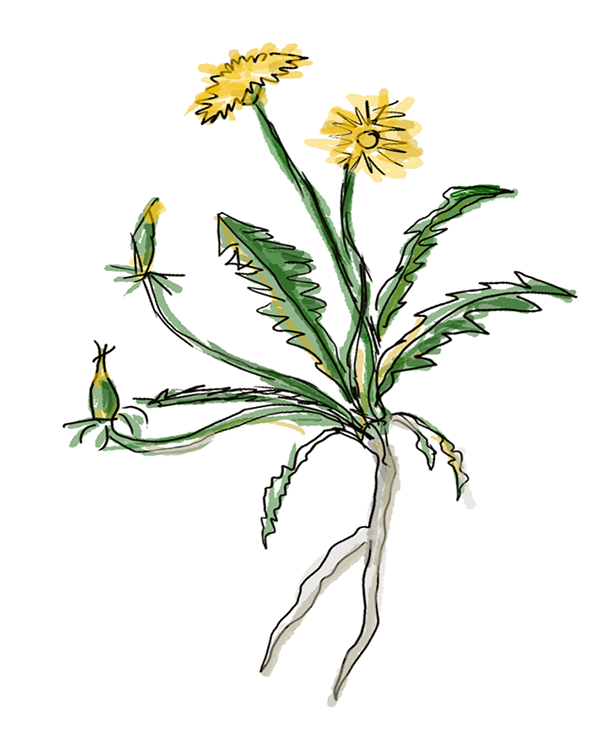
Dandelion—so often dismissed as a nuisance—is entirely edible, from leaf to root.
Dandelions are really a superfood. Dandelions are among the first leafy greens to grow in spring. They are nutrient-dense from root to flower, offering vitamins A, C, and K, as well as minerals like calcium, iron, and potassium. The nutrient content surpasses that of typical garden vegetables like spinach. European colonists brought dandelions to North America when they settled, wanting to ensure they had enough of these healthy plants for their medicinal and nutritional properties. Somehow, with commercial crop growing, we lost sight of how precious they are.
- High levels of natural potassium support kidney function and help manage blood pressure.
- Loaded with antioxidants, including beta-carotene and polyphenols, which help neutralize free radicals and reduce inflammation.
- Dandelion roots contain inulin, a prebiotic fiber that aids in healthy digestion and gut health. The roots are recognized as a “liver tonic” that helps detoxify and support liver and gallbladder function.
- Dandelions may help improve insulin secretion and regulate blood sugar.
How to eat Dandelions?
Delicious in salads when young and tender in spring. They can be stir-fried with garlic and onions, just add a splash of lemon, a dash of salt, pepper, and a tease of cayenne, and you will remember it and wait for this dish each spring.
Our ancestors used the roots, roasted and ground, and enjoyed them as a caffeine-free coffee or tea. They didn’t realize how powerful the nutrition was; they just felt good after drinking it. Dandelion root is a nutrient-dense liver detox, aids digestion, is a natural diuretic, and reduces inflammation. The roots contain beta-carotene, which can help manage blood sugar, lower cholesterol, and provide potential anti-cancer properties.
You can pick the yellow blossoms and wash and drain them thoroughly. Then dip them in pancake batter and deep-fry them. A real spring treat. Good savory or sweet with syrup.
Foraging Dandelions Safely:
It is crucial to pick dandelions from areas free from pesticides, herbicides, or contaminants. Nutrient content can vary with season and soil conditions; they are often best harvested in early spring. That is why I reserve a special place in my garden. They grow at the back of my garden along the back of the garage. They are the first plants I can pick and put in some of my recipes for an extra dash of goodness.
Be aware that if you have allergies to ragweed or daisies, use caution and absolutely check with your health professional if you are on any medicines that could interact or if you have a condition that might be adversely affected.
The next time you need a first aid kit in the woods… try Broadleaf Plantain!
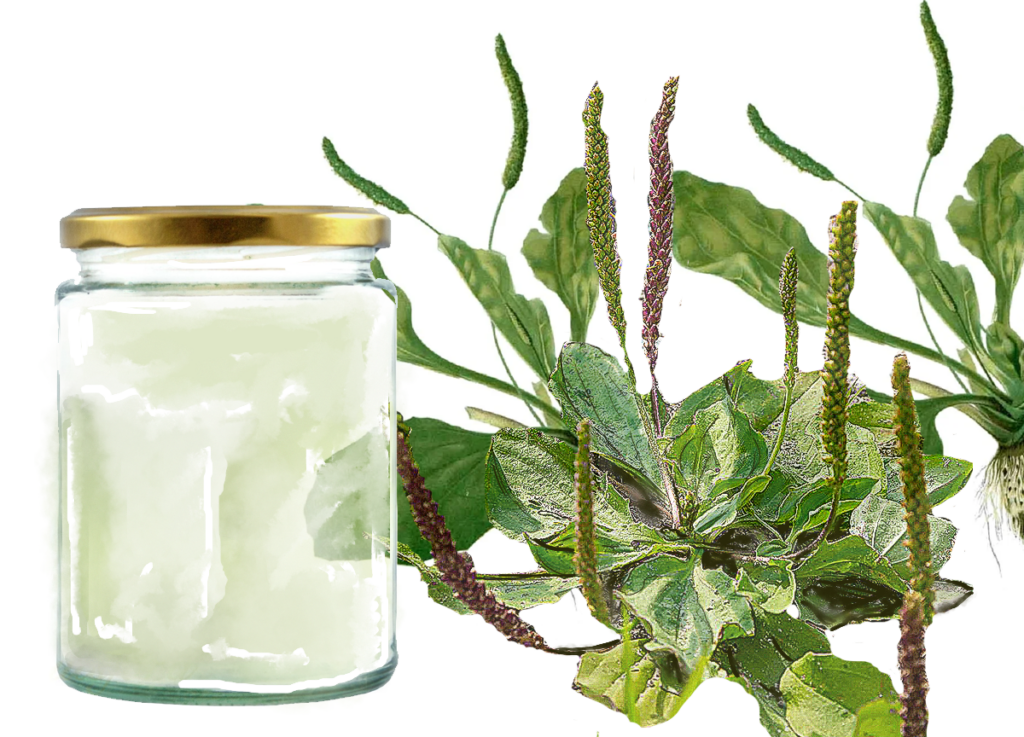
Broadleaf plantain (Plantago major) is mostly known as a common, and possibly pesky, backyard weed. Broadleaf plantain is also related to Ribwort plantain (Plantago lanceolata), which has similar medicinal properties. Despite its bad rap, it is a nutrient-dense edible plant packed with vitamins A, C, and K. It is known for treating skin issues, inflammation, and digestive problems. Young leaves can be eaten raw in salads, cooked like spinach, or brewed into tea, while older leaves can be dried into powder or used to make a poultice or salve. The seeds are rich in soluble fiber and have soothing, mucilaginous properties similar to psyllium husk and are best steeped in boiling water to make tea.
- Broadleaf leaves contain allantoin, which promotes tissue repair. They can be used as a “spit poultice” for insect bites, stings, cuts, and rashes, providing immediate soothing and anti-inflammatory action.
- Leaves eaten can relieve diarrhea and soothe stomach ulcers.
- Acts as a gentle expectorant for coughs and mild bronchitis.
- Nutrition: High in essential vitamins and antioxidants.
- Plantain often grows in impacted soil where nothing else will. They help loosen the soil. This is where my first plantain was found, in a flowerbed I had been trying to train for years. The worm castings are gradually bringing this flower bed back to life by attracting big, fat earthworms.
How do you eat Broadleaf Plantain?
- Collect young, tender leaves in early spring, and chop them raw in a salad with other greens.
- Young leaves can be sautéed, steamed, or boiled like spinach.
- Steep fresh or dried leaves in hot water for 10-15 minutes for a soothing Tea.
- Seeds can be dried and ground into flour or steeped to make tea.
Topically, you can make a poultice to treat a bug bite or scrape in a pinch. Just chew a leaf to make a moist paste. Apply it directly to the affected area.
Last spring, I made a salve by steeping some Broadleaf Plantain green leaves in a mixture of coconut oil, castor oil, and a little olive oil. I strained it into a jar and kept it in the fridge. Surprisingly, this helped heal some skin issues. The leaves are said to draw out inflammation.
What I had been removing from the garden…
was actually food… and medicine.
A Garden That Provides More Than Expected
Once I began to see them differently, everything changed. These plants simply appeared.
- required no planting
- no special care
- and hardly any effort… none if you didn’t want to.
But I started planting them in an area of the garden where they could thrive without interfering with the other things I planted. This way, I could harvest Dandelion, Purslane, and Plantain as food (or, in the case of Plantain, as a salve) without worrying about foraging where potentially dangerous chemical pesticides had been used. Yes, at first I worried about the bad bugs, but it seems that, in a healthy ecosystem, nature can help lessen them.
Sort of like our bodies. When we eat wholesome foods, and our microbiome is healthy, the good bacteria outweigh the bad. Good plants and good bugs thrive in a good environment and most often deal with the detrimental ones. I’m not saying that is always the case, but it gives us and our environment a good start.
Weeds with beneficial properties thrive in the very soil I had been working to improve. Of course, their seeds would land in a hospitable garden.
In a way, they were the first to respond.
Ancestral Foods that shaped a world
I remember living near my Great Uncle Fred Gash in North Carolina. He had a small farm and planted corn on a hillside, which he taught me to pick by hand. It was really fun for a kid. You sling a cotton sack made for the purpose over your shoulder, take hold of a ripe, juicy ear of corn, and give it a sharp twist. It comes right off in your hand, and you place it in the sack. Yes, I know they have machines for that now. But somehow it was so satisfying to pick the corn, take it into the kitchen for Aunt to cook, and then bite into that homegrown sweet corn!
Also, available in the early spring on that hillside, the part left weedy was the best-tasting greens you could ever eat. They were a delicacy dug up by my grandmother and great-aunts every spring and added to a recipe for baked beans called in the South “Beans and Greens!”
Bringing Them Into the Kitchen
At first, I hesitated.
There’s something about eating what you once called a weed that feels unfamiliar. It can taste more bitter than we are used to. But I found out that “Bitter tastes” can actually be good for you.
Slowly, I began to experiment.
A few leaves here.
A small addition to a plate. And then, something surprising happened.
They were good!
Purslane has a fresh, slightly lemony taste and a crisp texture.
Dandelion greens—especially when young—have a pleasant bitterness, similar to arugula.
Plantain, which mostly grows in cracks in the sidewalks, is quite an interesting plant, from roots to seeds to leaves.
They didn’t feel like substitutes.
They felt like ingredients.
And, they provide a nuance in nutrition that our ancestors knew all about.
A Different Kind of Abundance
There is something deeply satisfying about stepping into the garden and finding food you didn’t even plant. Something hardy that grows when you are waiting for the actual crop!
Not cultivated.
Not planned. Just… there. It changes the way you think about abundance.
The Quiet Lesson
These “weeds” taught me something I didn’t expect:
Not everything valuable arrives the way we expect it to.
Sometimes it grows quietly, unnoticed—until we learn how to see it and use it.
Yes, “Life is Like That!”
Now, when I see purslane or dandelion in the garden, I don’t reach for the shovel. I pause, I notice where it is growing, and put something around it so I don’t disturb it. It is interesting to see what happens.
Because what once looked like something to remove…
Has become something I can use. Something my family and I can enjoy.
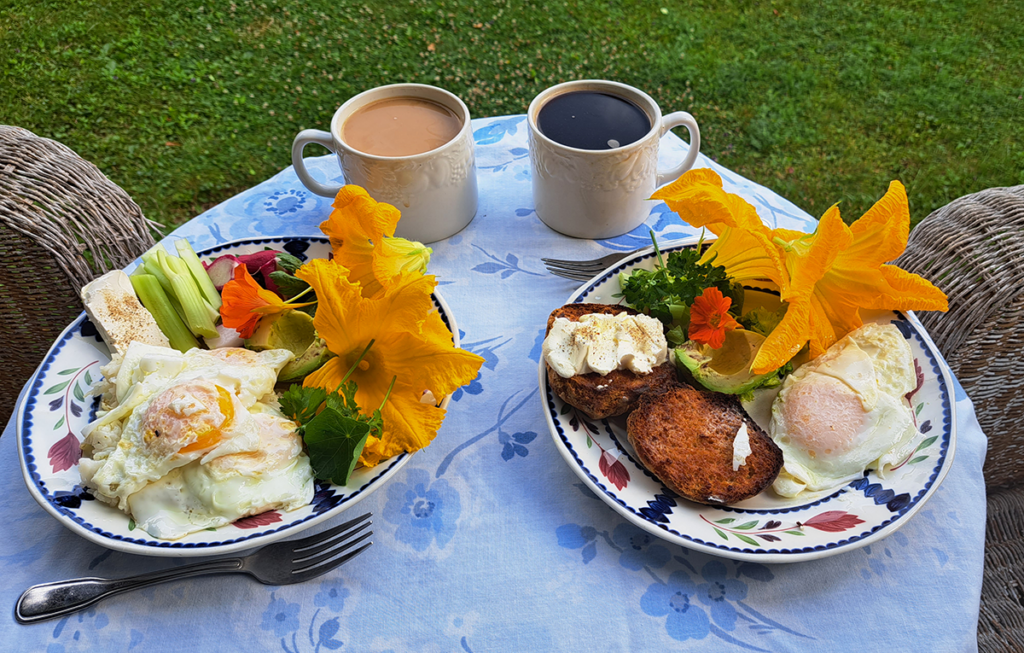
Once I spice it up and make it look attractive 🙂
Some things belong in our lives, just as they did for our ancestors.
Edible weeds, so called, and some plants, lesser known, can add variety and pack more nutrition into your diet. I mention Malibar Spinach in this article as I grew some from seed last year and have overwintered it. I am hoping to give it a good start this spring and harvest a good amount this summer.
So next time you think of putting a weed on your plate, remember Purslane, Dandelions, and even Broad-leaf Plantain!
Find More of The Garden Series Articles:
I Didn’t Talk About the Worms at First | The Garden Series – Post 1
At first, it didn’t look like much |The Garden Series – Post 2
At first, I pulled them out without thinking. |The Garden Series – Post 3
The Day the Butterfly Came | The Garden Series – Post 4